

After 1,000 miles in the BYD Sealion 5 DM-i left me genuinely impressed, BYD came back with another offer I wasn’t going to turn down — the keys to an Atto 2 for another 1,000-mile test. Same approach, same focus on EV efficiency data, same honest verdict.
The Atto 2 is a different proposition to the Sealion. Where the Sealion 5 is a full-size family SUV with a DM-i hybrid system, the Atto 2 is a pure EV, smaller, lighter, and built on BYD’s e-Platform 3.0. Our test car is the Boost spec, equipped with a 51.1kWh battery, finished in Hiking Green. A colour I wasn’t sure about when it arrived on the drive. A colour I’m warming to considerably.
0.9p a mile? Are you serious?!
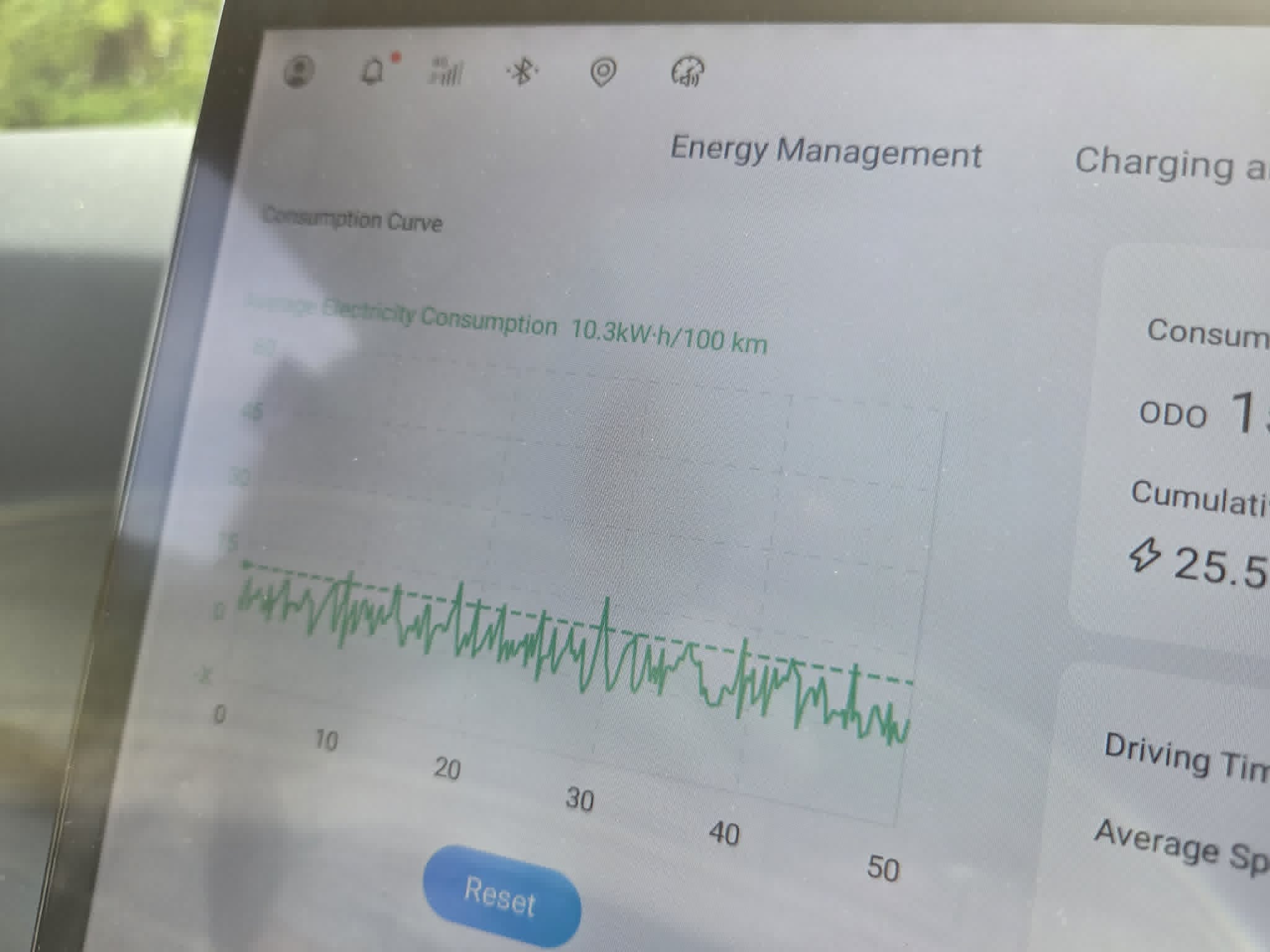
Let me get straight to what matters most on this site. Over a 50-mile run, applying the EV hypermiling techniques I’ve been developing and will be sharing on our upcoming EV Hypermiling Techniques page, I recorded a peak efficiency of 16.6kWh per 100 miles.
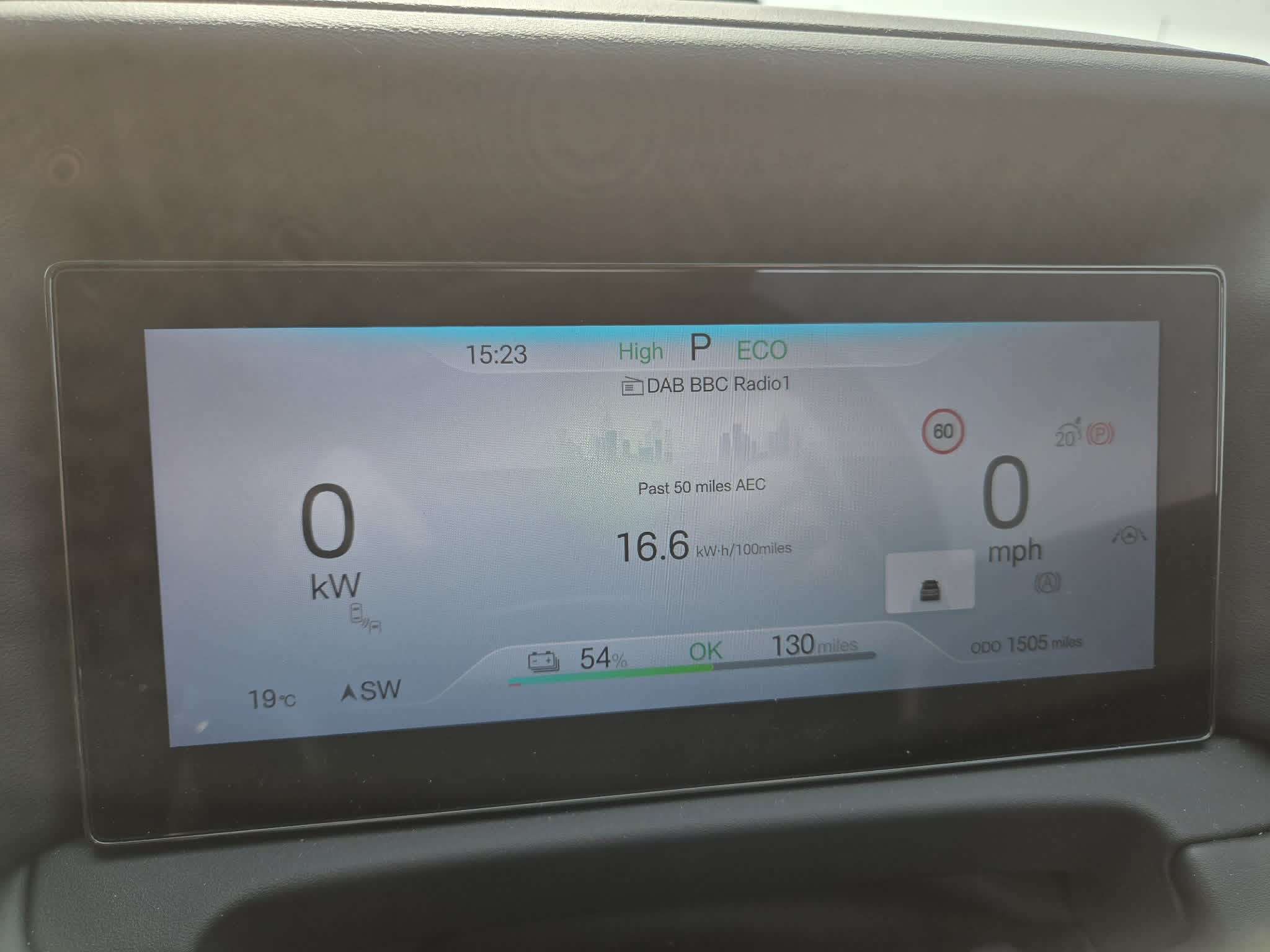
I had to look at it twice.
At 5.5p per kWh — my overnight rate with Octopus Intelligent — that works out to under 1p per mile. Less than the 2p per mile I was consistently hitting in the Sealion 5 DM-i, which I already thought was exceptional. Less than almost anything else I’ve driven. At that cost, you could cover 100 miles for under £1. How much would that cost in a traditionally fuelled car?
For context, the Volvo EX30 that’s been sitting on my drive for the past month doesn’t get close to that figure in everyday conditions. The Atto 2, in the right hands, on the right road, with the right approach, is delivering efficiency that genuinely surprised me. Not just good-for-the-class figures. Just good figures, full stop.
That number didn’t happen by accident. It came from smooth acceleration, anticipating the road well ahead, making the most of regenerative braking, and keeping speed consistent on A-roads. The same principles that work on any EV apply here — but the Atto 2 seems to reward Hypermiling techniques particularly well. More on that when the full EV hypermiling guide goes live.
EV Hypermiling
Wondering how I achieved those figures? The techniques I used throughout this test form the backbone of our new EV Hypermiling Techniques guide. It covers everything from anticipation and speed management to seasonal tips, route planning and smart charging. The exact habits that turned the Atto 2 into a car that costs under £1 per 100 miles to run. Well worth a read whether you drive a BYD or any other EV.
Living With It Day to Day
Here’s something I didn’t expect to be saying after a month with the EX30: I’m only charging the Atto 2 once a week.
The EX30 and I had a relationship that involved fairly frequent top-ups, particularly in winter, and particularly because my EX30 doesn’t have a heat pump (a decision I still regret — you can read why in our EV Heat Pump FAQ). The Atto 2 Boost comes with a heat pump as standard, as does every car built on BYD’s e-Platform 3.0. In practice that means the heating system is working with the battery rather than raiding it, and the range holds up in a way that makes weekly charging feel completely natural.
The 51.1kWh battery isn’t enormous by current standards. But driven efficiently, it goes a long way.
Is it green or beige?
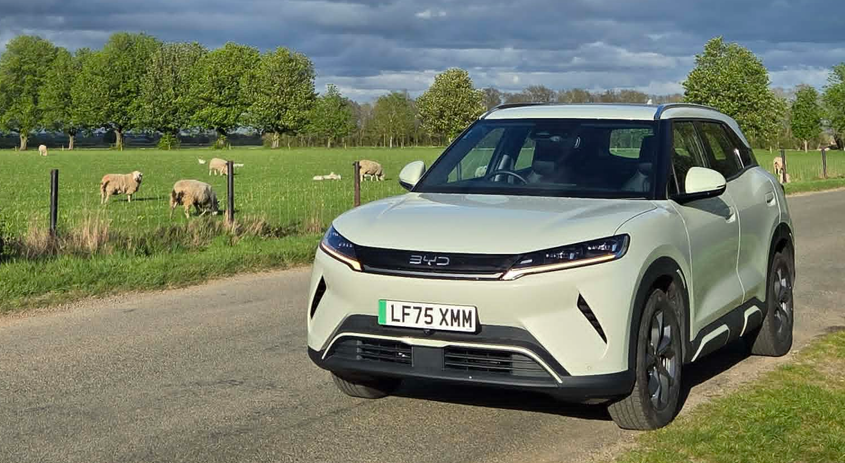
Hiking Green is one of those colours that divides people. My first reaction when it pulled up was cautious, but a few days in I thought — actually, that works.
BYD’s design language on the Atto 2 is clean and modern without trying too hard. The proportions are right for the class. It looks like someone actually cared about how it turned out. Whether Hiking Green is for you is personal, but I’d suggest seeing it in person before writing it off.
Inside: Better Than Expected
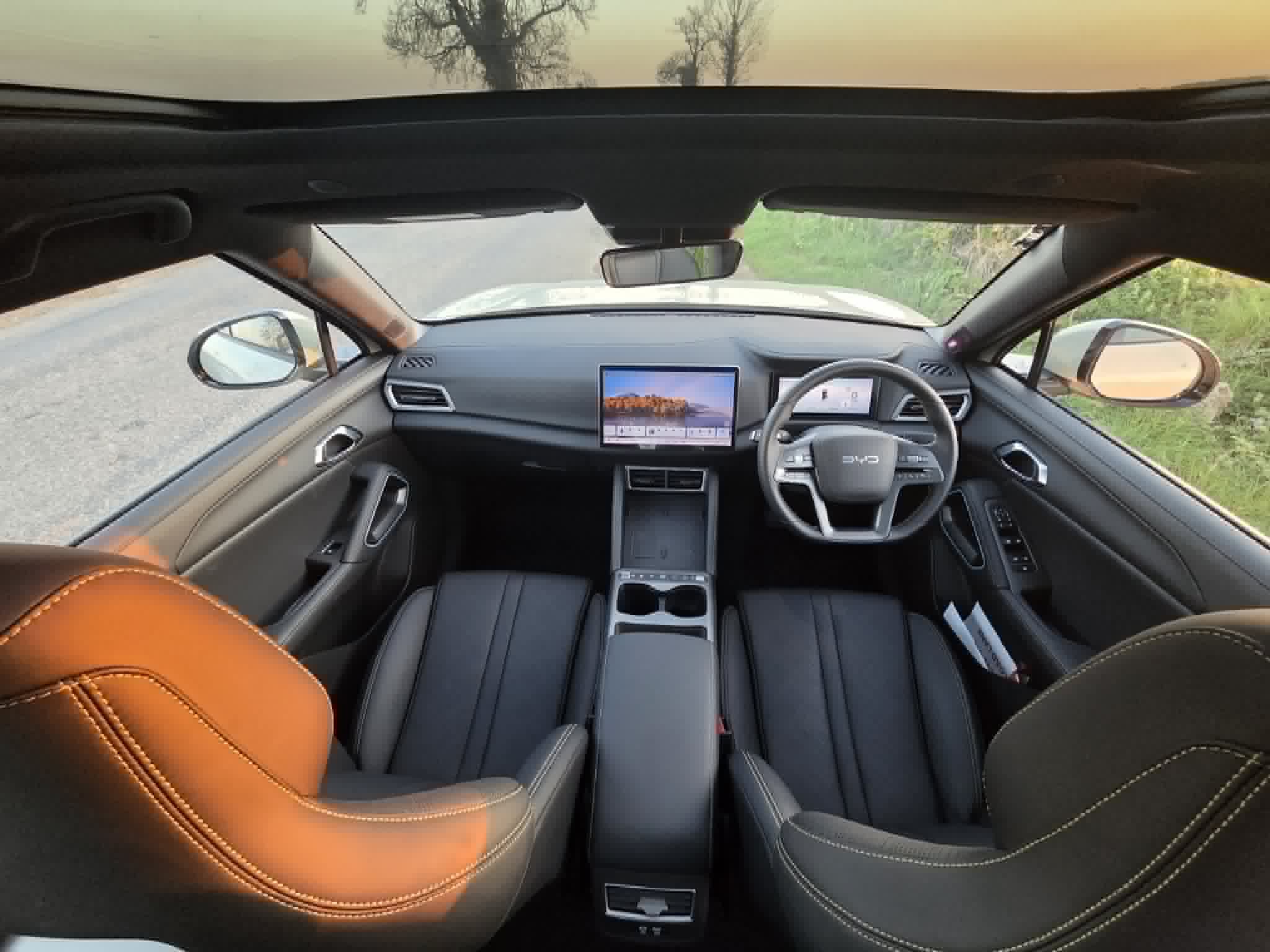
Climb in and the cabin immediately feels more premium than the price tag suggests. The panoramic roof on the range keeps the interior feeling light and open — on grey British days that matters more than you might think, and it makes the cabin feel noticeably larger than its footprint suggests.
The suspension is on the softer side. That’s not a criticism from me — it suits my driving style perfectly and complements the smooth, measured approach that gets the best efficiency figures. It might not be for everyone. If you like a firmer, more connected feel on a B-road, the Atto 2 probably isn’t going to be your favourite. But as a relaxed, comfortable daily driver it absolutely hits the mark.
The seats are comfortable on longer runs, the driving position is easy to find, and the overall experience inside is calm and refined. After a month in the EX30’s more minimalist environment, there’s noticeably more room to breathe in here. You notice the extra space after a few days and then you get used to it remarkably quickly.
A Family Car
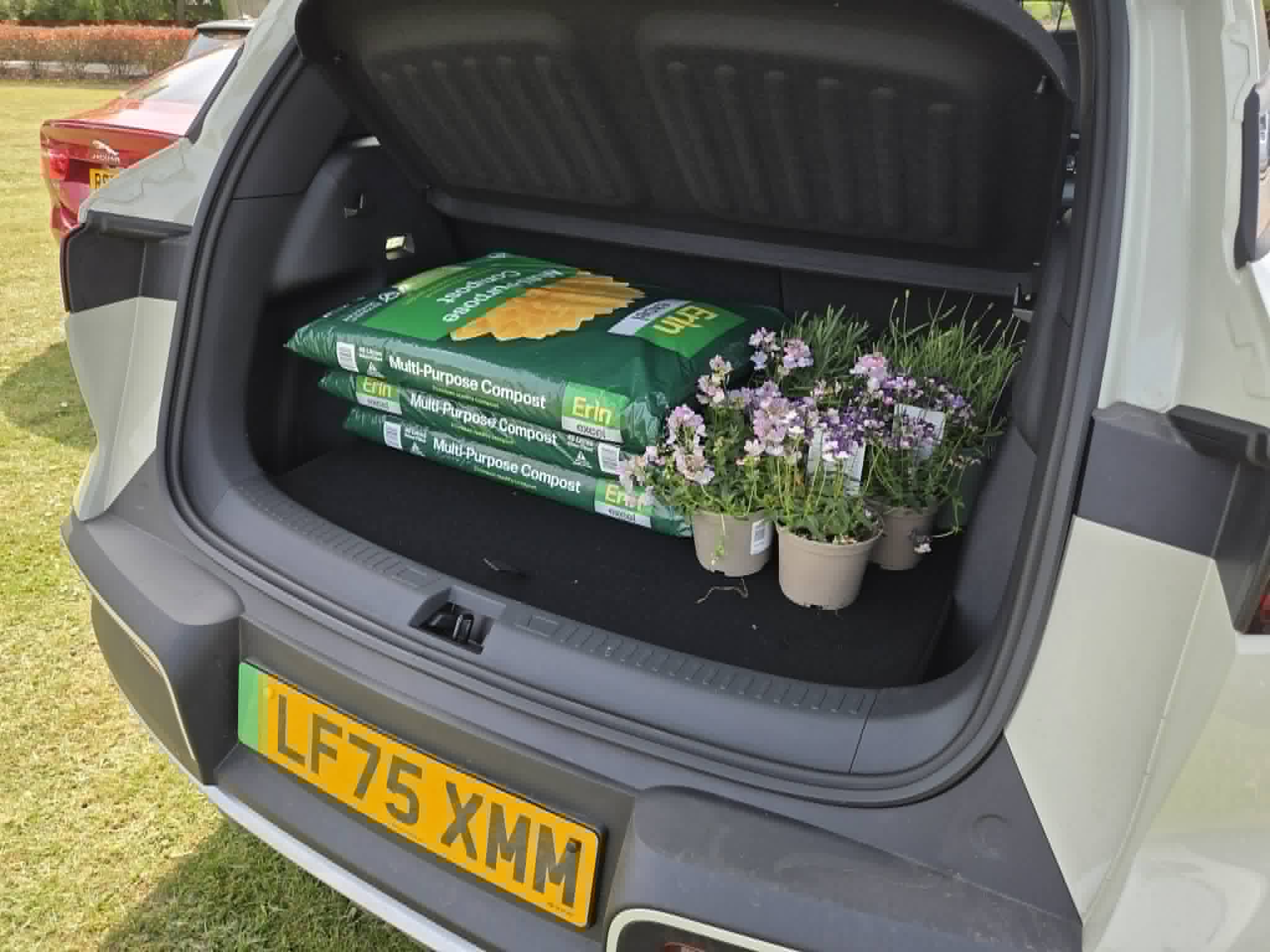
We put this to a proper test. A family trip to a local garden centre — the kind of outing where you end up with more in the boot than you planned, and everyone’s slightly muddy. The Atto 2 handled it without complaint.
The boot is genuinely usable. Not cavernous, but more than adequate for a family of four doing the kind of things families actually do. Rear passenger space is good, the flat floor helps, and getting in and out is easy for all ages — my son, who’s now as tall as me, was very thankful. Nobody complained. That’s usually the clearest sign a family car is doing its job.
Comparing It to the EX30
The EX30 is a brilliant little car and I’ve been a defender of it — the ongoing battery recall situation aside. But spending time in the Atto 2 has highlighted a few things.
The efficiency advantage of the Atto 2 is where it really excels. The extra space is noticeable and welcome. The heat pump as standard makes winter range anxiety a thing of the past. And the once-a-week charging rhythm, versus the more frequent stops the EX30 needed, has made the whole EV ownership experience feel easier.
The EX30 will get back out on the road. But right now it’s gathering dust, and the Atto 2 is earning its keep.
The Verdict
I came into this test expecting to be impressed — I’d already seen what BYD’s engineering can do in the Sealion 5 and Atto 3 EVO. What I didn’t expect was to be recording under 1p per mile figures I’ve never seen from any car I’ve tested.
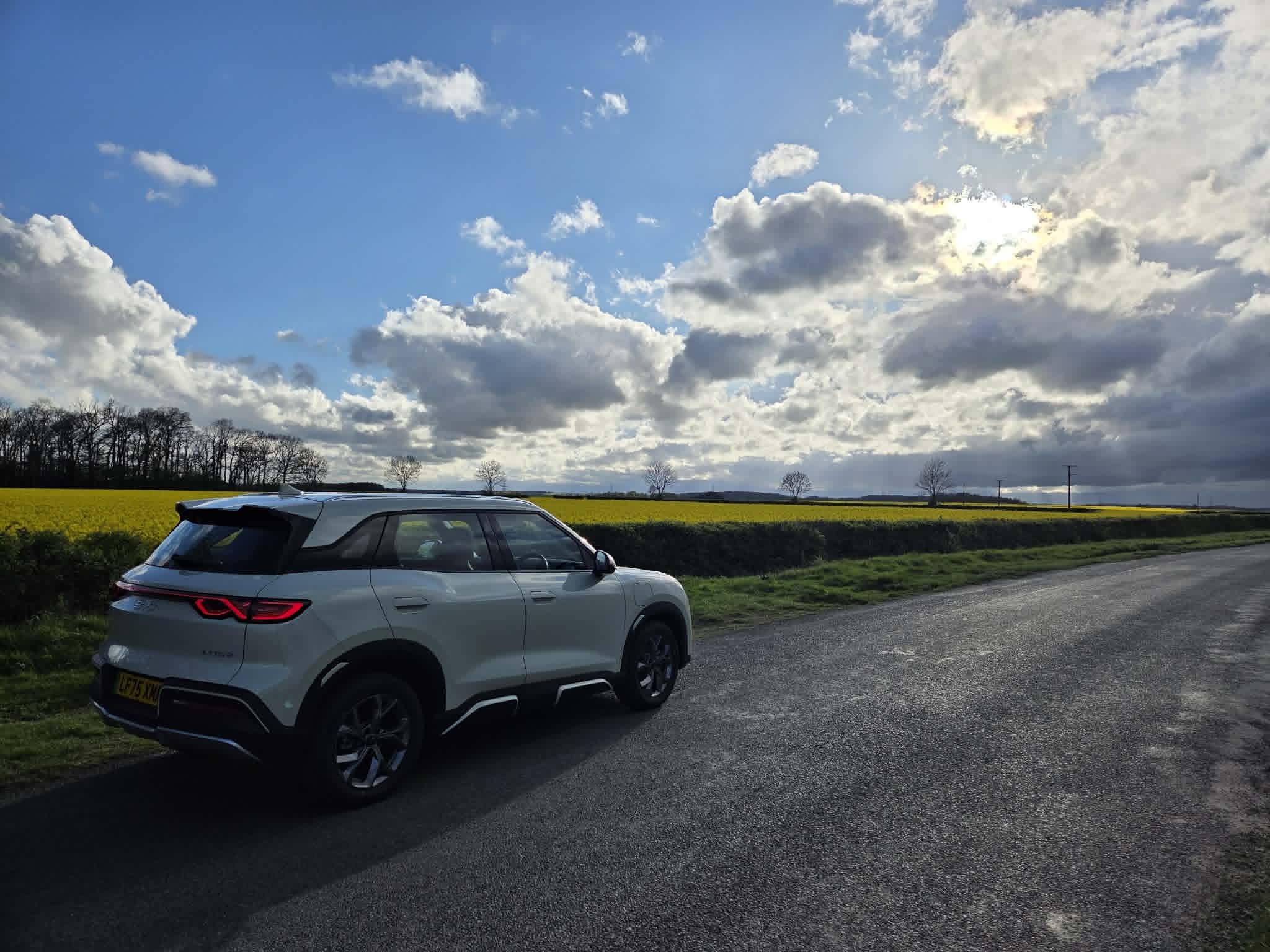
At 5.5p per kWh, covering 100 miles costs under £1. A typical petrol car doing 40mpg costs anything up to ten times this. That’s not a small difference — that’s hundreds of pounds a year staying in your pocket. Multiply that across a year of commuting, and the numbers make the case better than I ever could.
The Atto 2 isn’t just efficient on paper. It’s efficient in the real world, in normal driving, in a car that’s comfortable, practical, and I’ll say it, genuinely good-looking in the right colour.
I’m noticing more of them on the roads every week. That’s not a coincidence. The numbers speak for themselves.