
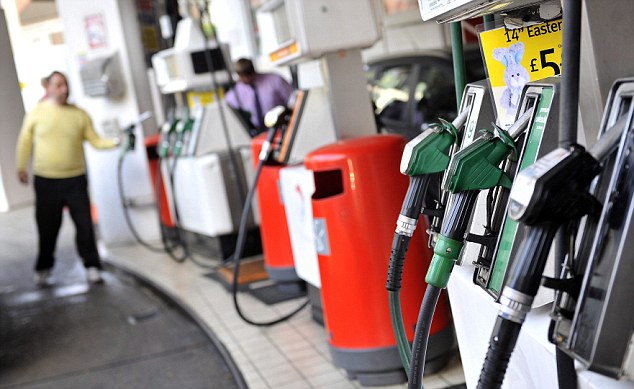
There’s a car next to me at the lights. Nothing fancy — just your average family motor, probably doing around 30mpg, driver probably not thinking too hard about what it’s costing them per mile. At today’s petrol prices, that’s 23.6p every time those wheels turn one mile.
It’s costing me just 1.9p.
That gap — and what’s caused it — is what I want to talk about, because with fuel prices doing what they’re doing right now, I think it’s worth being honest about the numbers.
How bad is it out there?
Pretty bad if you’re filling up with petrol. Since the end of February, prices have climbed sharply — around 12p a litre in three weeks — as tensions in the Middle East and disruption around the Strait of Hormuz pushed oil markets into a panic. Brent crude briefly hit $119.50 a barrel, its highest since the post-Ukraine spike in 2022, and the forecourts followed almost immediately. They always do. Going up, anyway.
At 155.6p per litre, a gallon of unleaded now costs you £7.07. If you’re doing 30mpg, that’s 23.6p a mile. Over a typical year of around 8,000 miles, you’re looking at roughly £1,888 just in fuel. And that number is still moving.
Diesel drivers might think this doesn’t apply to them — and historically, the better fuel economy that diesel offers has made that a fair argument. But diesel has taken an even harder hit than petrol in this latest spike, up around 42p per litre over the past month and now sitting at 186.7p. At that price, even a reasonably efficient 50mpg diesel is costing you around 16.5p per mile. The MPG advantage that has always justified the higher price at the pump is being eaten alive by the price gap itself. The diesel deal, for a lot of drivers, has quietly stopped making sense.
What I’m actually paying
I drive a Volvo EX30. I charge at home, mostly overnight, at 7.5p per kWh with the Octopus Intelligent Go tariff. The car does around 4 miles a kWh, which works out at 1.875p per mile — let’s call it under 2p.
Over the same 8,000 miles, my annual energy cost comes to around £150.
The same distance. £150 versus £1,888. A difference of nearly £1,740 — this year, not over the lifetime of the car, not spread across a decade. Just this year. I don’t even need to drive to a petrol station; I plug the car in, and it charges while I sleep.
And unlike petrol, my 7.5p per kWh isn’t going to suddenly jump because someone fired a missile at a refinery. It’s been 7.5p. It stays 7.5p. In fact, with the recent price cap drop prices have come down to around 5.5p kWh for some.
I’ve been saving for years — and it’s not just the car
Here’s the thing I really want to make clear. The EV helps enormously, obviously. But the savings I’ve built up over the years started long before I went electric, and a big chunk of them come down to how I drive, not what I drive.
I’ve personally saved thousands of pounds through hypermiling. Not through anything dramatic or dangerous — just through developing habits that most drivers never bother with because nobody ever told them it was worth it. Looking further ahead. Coasting in gear instead of braking. Switching the engine off when I’m going nowhere. Keeping the tyres at the right pressure. Losing the roof rack when it’s not needed and most importantly keeping the speed down.
I also, I’ll be honest, drive my wife mad, nagging her about her driving. She’s heard the anticipation and speed speech more times than either of us would care to count. She’s remarkably tolerant about it. And yes, it’s made a difference to her fuel bills too.
You don’t need an EV to do any of this
This is the bit that gets lost whenever fuel prices spike and everyone starts talking about electric cars. The conversation always lands on “I can’t afford to switch, so there’s nothing I can do.” And that’s just not true.
Every technique I use — everything that’s knocked thousands off my fuel costs over the years — works on a petrol car. It works on a diesel. It works on a hybrid. The car doesn’t matter half as much as what the driver does with it.
A 30mpg petrol car driven properly, with real attention paid to efficiency, can realistically return 38, 40, even 42mpg. At today’s prices that’s still not 1.9p a mile, but it’s the difference between 23.6p and around 16p — and that’s hundreds of pounds a year, for free, just from changing a few habits.
If you’ve never looked into it, our Hypermiling Techniques page covers everything from the basics upwards. It’s free, it’s always been free, and none of it requires you to buy a new car.
The bit that really gets me
I keep coming back to that £1,740 figure because I think people need to actually feel it rather than just read it. That’s not a vague long-term projection. That’s the difference between what I’ll spend on fuel this year and what the average 30mpg petrol driver will spend. It’s a holiday. It’s a decent chunk off a car payment. It’s just… gone, in petrol, for the person at the lights next to me.
And while I don’t want to be smug about it — genuinely, I don’t — I do think it’s worth pointing out that a lot of that gap doesn’t come from having the right car. It comes from paying attention to something that most people have been conditioned to just accept as an unavoidable cost.
Fuel prices will keep doing what fuel prices do. The Middle East isn’t getting simpler, oil markets aren’t getting calmer, and the forecourts aren’t suddenly going to develop a conscience. But how much of that pain actually reaches your wallet? That part, you have more control over than you might think.