
I have spent the last five years spending a significant amount on fuel and the last 16 months spending almost nothing. That is not an exaggeration. My BMW M140i was costing me £70 a week in petrol. Not because I was driving like an idiot, just because a 340-horsepower turbocharged inline six is a thirsty thing when you are covering real miles on real roads. I knew the numbers going in. I bought it anyway. Brilliant car. Terrible fuel bill. (Note to former Karl… you did right to scratch that itch)
Since March I have been driving BYD cars almost exclusively, and in between those I have had the Volvo EX30 sitting on the driveway. The M140i lives on with another keeper, emptying their wallet instead. The door has closed on petrol for me and I am not sure it is going to reopen.
But the question I get asked more than any other right now is not “should I go electric?” It is “should I go hybrid first?” So here is the honest answer, based on real numbers and real miles rather than manufacturer claims.
Where the UK Car Market Is Right Now
Before we get into the numbers it is worth understanding where the market is heading, because it affects every buying decision you make today.
According to SMMT data, EV registrations hit a record 27.5% share of the UK market in July 2026. PHEV registrations grew 46.9% in March 2026, the fastest growing powertrain segment. Meanwhile petrol registrations declined 6.1% and diesel fell 11.4% year on year.
The direction of travel is not ambiguous. New petrol and diesel car sales end in 2030. Plug-in hybrids were the fastest growing powertrain in 2025, up 34.7% to take 11.1% of all registrations. Buyers are using PHEVs as a stepping stone, and the manufacturers know it.
The ZEV mandate requires 33% of new car sales to be electric by end of 2026. We are currently at 25% for the first half of the year. That gap is why manufacturers are discounting electric cars heavily right now. If you are in the market for a new EV in 2026, the pricing leverage is firmly on your side.
The Fuel Cost Comparison: Where the Numbers Really Separate
Let me give you the real figures rather than the theoretical ones.
My BMW M140i costs around 24p per mile in fuel at 155p per litre with real-world economy of around 30mpg on a mixed run (that’s being very generous). That is £1,704 per year at average UK mileage of 7,100 miles. More than that if you drive it the way it is meant to be driven.
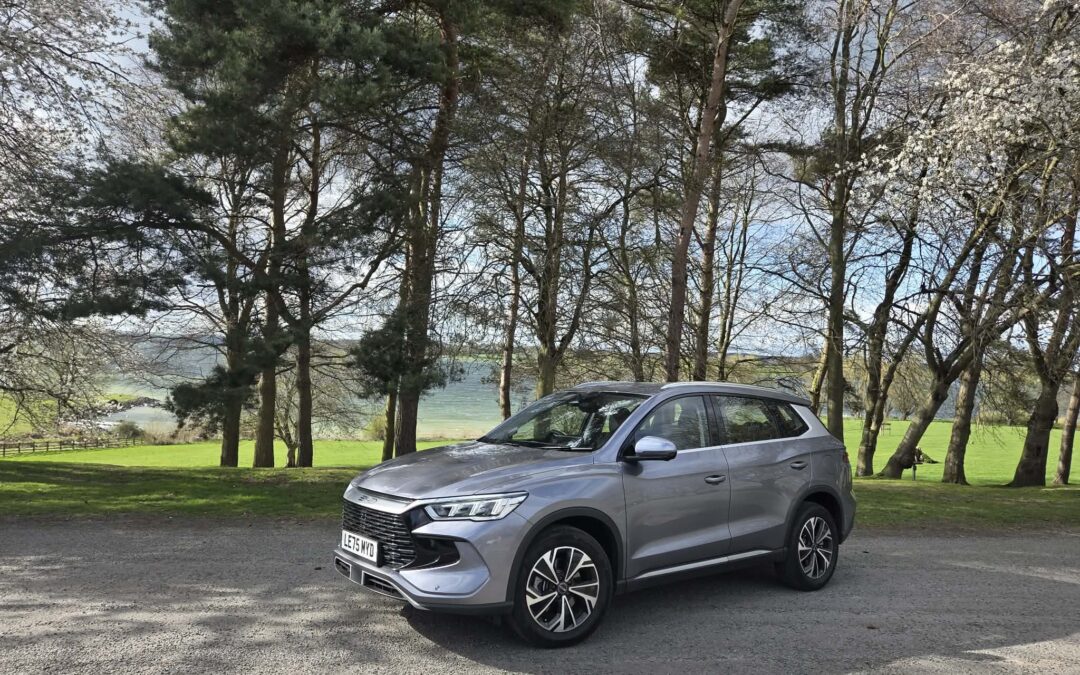
The BYD Sealion 5 DM-i — a plug-in hybrid — returned 2p per mile in my 1,000-mile test. Charged before every journey, driven in EV mode for all urban and suburban trips, and using the DM-i petrol engine only when necessary. That is £142 per year at average mileage. Charged on Octopus Intelligent at around 7p per kWh. The DM-i system is genuinely remarkable at what it does.
The BYD Atto 2 — full electric — returned 0.91p per mile in my testing. Under £65 per year at average mileage. At the London to Brighton EV Rally it returned 5.9 miles per kWh over 60 miles of real London traffic.
But here is the honest caveat on the PHEV figure. That 2p per mile assumes you charge regularly. A PHEV driven without consistent home charging, falling back on the petrol engine for most journeys, costs 15 to 20p per mile. The official fuel economy figures for PHEVs look spectacular on paper precisely because they assume regular charging. Without it, you are carrying the weight of a battery pack around for nothing and getting worse economy than a conventional hybrid.
If you have a driveway and a willingness to plug in every night, a good PHEV like the BYD DM-i range is a genuinely compelling option. If you do not, the numbers fall apart quickly.
Servicing Costs: The Hidden Advantage of Going Electric
This is the one that surprises most people because it is not obvious until you actually start adding it up.
A typical annual EV service in the UK in 2026 costs around £165 to £175. Over five years, the total average servicing cost for an EV is around £4,022, compared to £5,709 for a petrol or hybrid equivalent. That is a saving of nearly £1,700 over five years, or around £340 per year.
What does an EV service actually involve? Brake inspection, tyre check, cabin filter, software updates and battery diagnostics. No oil change. No air filter. No spark plugs. No exhaust check. No timing belt. No cambelt anxiety. The BYD Atto 2 is serviced every two years or 20,000 miles. Lets’s also factor in my Volvo EX30, with just one service required after two years and that’s free.
The hybrid sits somewhere in between and this is where it gets underappreciated. A hybrid has two complete powertrains — an electric motor and a battery system on top of a conventional petrol engine with all its associated service requirements. You get the electric brake wear benefits but you still need oil changes, spark plugs, air filters, exhaust checks and all the rest. Hybrids sit between EVs and petrol cars on service costs: engine servicing still applies, but brakes last far longer.
For a manufacturer reading this and considering how to frame their hybrid or EV servicing proposition — the story is in the five-year total cost of ownership, not the annual service price. The EV wins on both counts.
Road Tax and eVED: What You Need to Know Right Now
Road tax changed significantly in April 2025 and it has changed again for 2026. The free ride is over for EVs, but the numbers are still far better than most people think.
From April 2026, EVs registered after that date pay £10 in year one and £200 per year from year two. Hybrids lost their £10 annual alternative fuel vehicle discount in April 2025 and now pay the same £200 standard rate as petrol and diesel cars.
So at standard rate, EVs, hybrids and petrol cars all pay the same £200 per year. Where it gets more interesting is the expensive car supplement. From 2026/27, the supplement threshold for electric cars was set at £50,000, higher than the £40,000 threshold for petrol and diesel cars. This means more EVs escape the additional £440 per year charge, while petrol and diesel drivers buying cars over £40,000 still face the full £640 annual bill.
The bigger story for EV and PHEV owners is what is coming in 2028. From April 2028, a pay-per-mile eVED system is being introduced. EV drivers will pay 3p per mile and PHEV drivers 1.5p per mile. At average UK mileage of 7,100 miles, that is £213 per year for an EV driver on top of the standard £200 VED, taking the total annual road tax to around £413. PHEV drivers will pay around £307 in total.
Worth planning for if you are buying now. Worth being aware of when making a four or five year finance commitment.
Finance and Leasing: The Numbers That Actually Make the Decision
The purchase price of an EV is often the first objection. And it is a fair one. A new electric car costs more to buy than a comparable petrol car in most segments. But the finance picture is more nuanced than the sticker price suggests.
The ZEV mandate gap I mentioned earlier is directly responsible for some extraordinary EV pricing right now. Manufacturers need to hit 33% EV share by year end. They are currently at 25%. The gap is being closed through discounting, 0% finance deals and manufacturer contributions. The BYD Dolphin Surf Boost is available at £199 per month on a 0% APR PCP deal right now. That price would have bought you a budget petrol hatchback on finance two years ago.
Then factor in the running cost difference. Home charging on an EV-specific tariff can cost as little as £210 to £245 per year for a typical driver, compared to over £1,200 annually to fuel a mid-size petrol car. That is a saving of roughly £1,000 per year in fuel alone, before you factor in servicing.
The salary sacrifice route amplifies this further. BiK tax for electric cars is just 4% for 2026/27, far below the maximum 37% for petrol and diesel vehicles. For a 40% taxpayer the combined income tax and National Insurance saving on a well-structured salary sacrifice deal can make an electric car effectively free to run month to month once the fuel saving is deducted from the net payment.
PHEVs sit in a more complicated position. They attract BiK tax at a higher rate than pure EVs because they have a CO2 figure. The BYD Sealion 5 DM-i’s official CO2 figure is low enough to keep BiK reasonable, but it will never match a zero-emission EV on company car tax.
Is Hybrid the Answer or Just Delaying the Inevitable?
This is the question I keep coming back to. And my honest answer is: it depends entirely on your situation, but for most people the PHEV is a delay rather than a destination.
The BYD DM-i system is the best plug-in hybrid I have driven. The Sealion 5 at 2p per mile is a genuinely extraordinary result and the car is comfortable, well built and practical. If you cover genuinely mixed mileage, have home charging and want the security of a petrol engine for longer journeys, a DM-i PHEV is a strong choice right now.
But the EV experience is different in a way that is hard to quantify until you have lived it. The Atto 2 at 0.91p per mile is not just cheap to run, it is a fundamentally simpler machine. No oil changes. No service anxiety. Plug in at home, wake up to a full battery, drive. The Volvo EX30, when it is not the subject of a safety recall reminded me of what daily driving can feel like when the car disappears and you just go places.
The M140i was an incredible machine. I’m not sad about what I spent maintaining and fuelling it. But the door has long closed. The numbers are too clear and the experience of driving an EV day to day is too good to go back.
The SMMT now expects electric cars to account for 27.4% of all new car registrations in 2026. PHEVs are growing at 46.9% because buyers are using them as a stepping stone. The infrastructure is building. The prices are dropping. The technology is improving.
If you are ready for an EV, go. If you are not quite there yet, a quality PHEV with genuine EV range and proper home charging is a reasonable middle ground. But do not buy one and not charge it. That is the worst of both worlds.
The Summary in Plain Numbers
Per mile running cost at 7,100 miles per year:
- Petrol car at 35mpg, 155p per litre: approximately 24p per mile — £1,704 per year in fuel.
- Conventional hybrid at 50mpg, 155p per litre: approximately 16p per mile — £1,136 per year in fuel.
- PHEV charged regularly, BYD DM-i: approximately 2 to 4p per mile — £142 to £284 per year.
- Full EV, BYD Atto 2, Octopus Intelligent at 7p per kWh: approximately 0.91 to 2p per mile — £65 to £142 per year.
Servicing, five-year total:
- Petrol or hybrid: approximately £5,709.
- Full EV: approximately £4,022.
- Road tax, annual from 2026:
All vehicles under £40,000 (£50,000 for EVs): £200 per year standard rate.
eVED from April 2028:
- EV: 3p per mile additional, around £213 per year at average mileage.
- PHEV: 1.5p per mile additional, around £107 per year at average mileage.
- The gap between petrol and electric is not closing. It is widening.
Let’s hear from you
Have you made the switch or are you still weighing it up? Let us know in the comments. I read all of them.
Related reading: