Want to know more about Electric Vehicles EV’s?
See below our run down on Electric cars from the Past, Present and Future
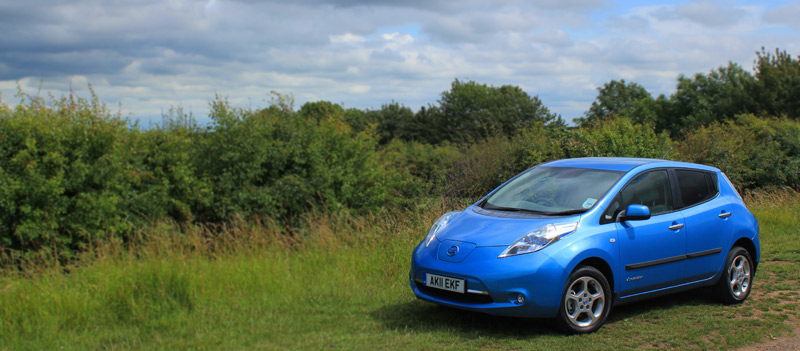
Read more about the Nissan Leaf
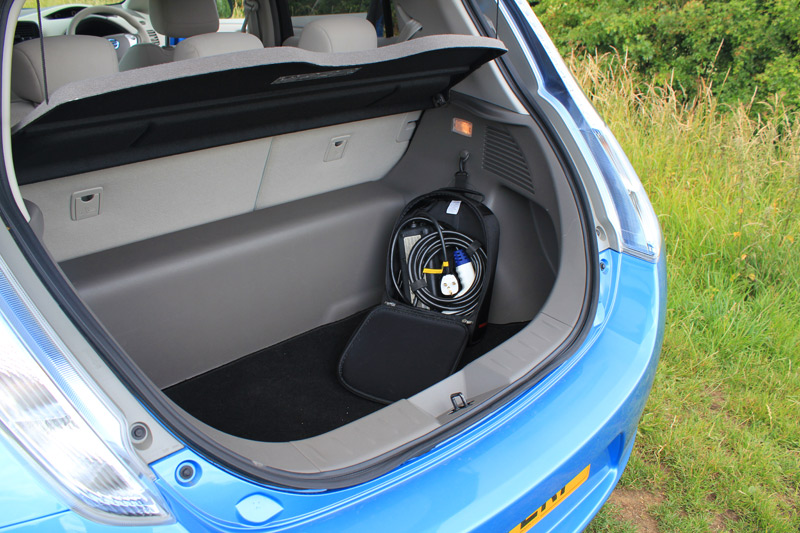
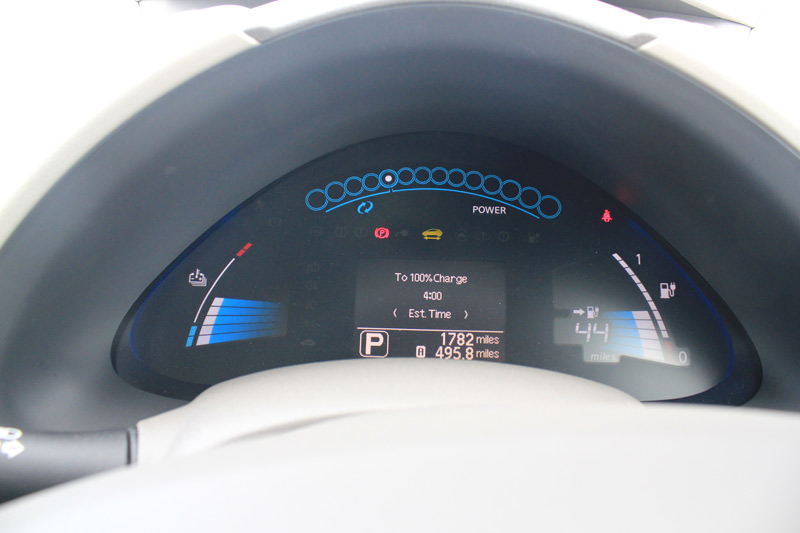
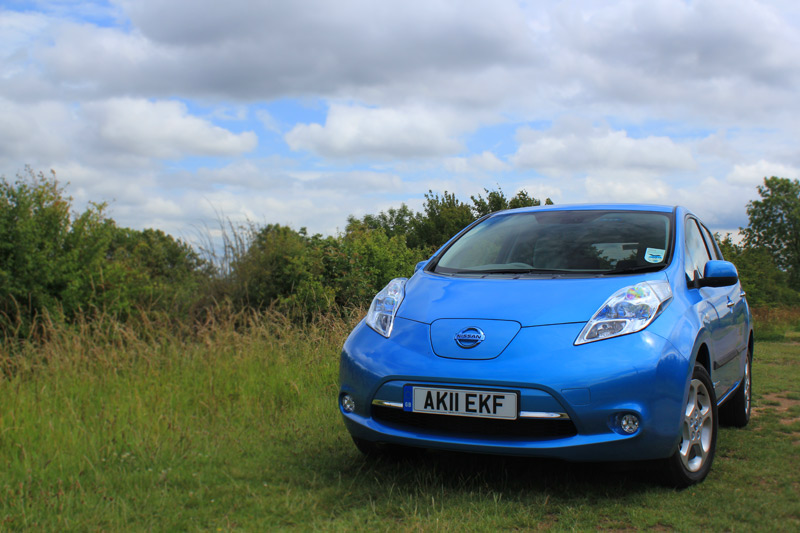

See below our run down on Electric cars from the Past, Present and Future
Read more about the Nissan Leaf


Electric Cars like the Nissan Leaf are actually worse for the environment than efficient Diesel or Petrol Engines. This is because energy is lost in conversion to the different types of storage energy. In a Electric Car, you are theory producing zero tailpipe emissions, however, in the UK we still rely largely on non renewable sources of energy to power the electrical grid which the cars obtain charge from.
Any sucker who has sat GCSE Science could tell you that the fuel for Electric Cars undergoes many transformations which introduce inefficiencies. For example in a typical power plant coal or natural gas (chemical energy) is used to heat water (heat) which in turn boils to turn turbines (kinetic) before it is then turned into AC electrical energy for the grid.
When you plug your EV in, you are then converting the AC current to DC and storing it in a battery (chemical) and then the energy needs to make one last transformation to be used in the vehicle.
Unlike this, traditional cars have one conversion process; Chemical –> Kinetic. The only practical advantages of electrical cars would be that the pollution generated to run them is dealt with at a power plant and not a city centre, therefore reducing air pollution in populated areas.
Even the best Diesel and Petrol engines are not exactly efficient at the job they do.
Contrary to your article above, efficient diesel/petrol engines are not better for the environment especially when compared with an electric car charged from a solar array or charged overnight using wind power from a green grid supplier.
So drilling for oil, pumping it to a refinery, refining it, distributing it by lorry and then pumping it (electrically) into a car to be combusted is more efficient than drilling for gas, pumping, burning to generate energy to turn a turbine to distribute over fixed cabling to charge a car.
Its swings and roundabouts. Neither is particularly green, efficient or effective. Buts where we are! Massive amounts of localised pollution around towns/cities or massive amounts of pollution at a power station.